 sampurna world
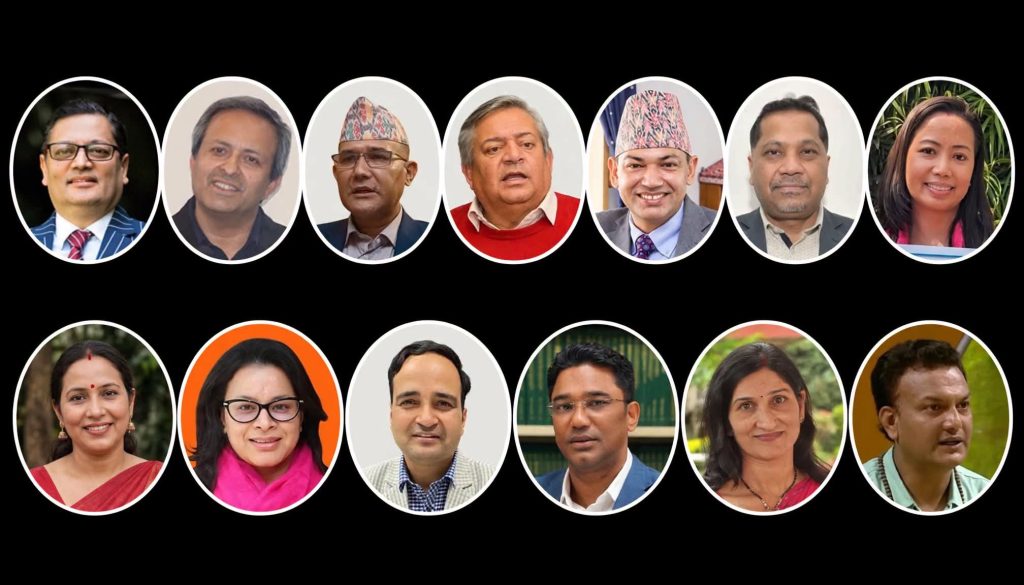
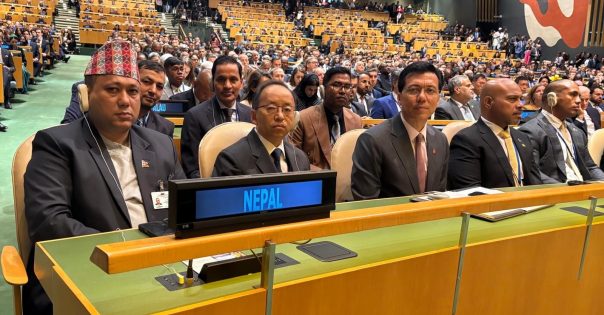
Kathmandu – Four days prior to departing for the United Nations General Assembly, Prime Minister Balendra Shah ‘Balen’ recommended ambassadors to 13 countries—a process that proved exceptionally difficult for the government to execute.
Upon assuming the office of Prime Minister on Chaitra 13, 2082 (March 26, 2026), Balen sought to introduce an open competitive process for ambassadorial selection. In line with this vision, the Ministry of Foreign Affairs invited public applications from aspirants, drawing nearly 3,000 applicants. That extensive list was eventually pared down to select nominees for 13 countries, while appointments for several other posts remain pending.
The newly recommended envoys face a formidable burden of challenges. A key question now arises: Can these ambassadors overcome these obstacles to restore international trust in Nepal, while ensuring the nation’s voice is effectively heard and represented in international forums?
Following the Gen-Z uprising of Bhadra 23–24, 2082 (September 8–9, 2025), Nepal appears to have neglected its foreign policy priorities—a lapse that has begun to severely impact its standing in international arenas.
A year ago, in Ashwin (September/October 2025), the government led by then-Prime Minister Sushila Karki recalled ambassadors from 11 countries. Following a Supreme Court order staying the recall, the government subjected these diplomats to humiliating treatment by requiring them to report directly to the Ministry of Foreign Affairs daily.
An ambassador serves as the nation’s representative on the global stage; a state cannot elevate its own dignity by humiliating its envoys. Yet, following the manner in which ambassadors were recalled last Ashwin, the appointment process for replacements stalled completely.
When Balen became Prime Minister on Chaitra 13, additional ambassadors were recalled. While recalling envoys following a change in government is not unusual, the delay in initiating new appointments was problematic. Consequently, no structured effort was made to communicate post-Gen-Z Nepal’s transformed political landscape to the international community.
It is customary for incoming governments following major political transformations to dispatch special envoys to signal new priorities. Prime Minister Balen did not follow this practice. Instead, by leaving diplomatic posts vacant for an extended period, the administration failed to articulate its foreign policy agenda, leaving allied nations unclear about Nepal’s forward-looking priorities.
Key Diplomatic Mandates and Structural Challenges
- Bridging the Trust Deficit: The newly appointed ambassadors must actively define and communicate the government’s foreign policy priorities and convey the political narrative of Nepal’s post-uprising transition. Nepal currently faces a deep trust deficit with traditional partners and has struggled in bilateral engagements. A stark example was the WHO regional election, where Nepal suffered a major defeat against Bangladesh due to a lack of basic diplomatic dialogue, damaging its international standing.
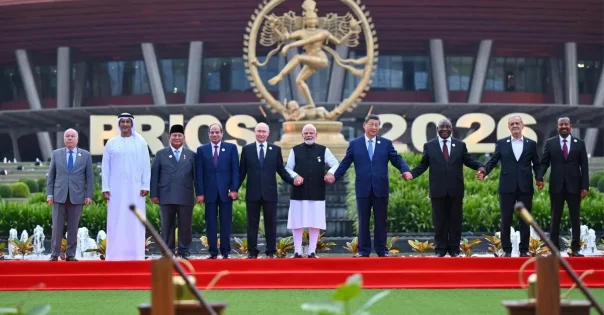
- Restoring International Visibility: In recent years, Nepal’s diplomatic profile has waned significantly. High-level regional platforms, such as G20 side events and BRICS summits in the neighboring region, have consistently proceeded without extending basic invitations to Nepal.
- Rebuilding Alliances Across Major Powers: Nepal’s relations with key partners—including India, China, the United States, Germany, and France—have frayed due to domestic policy inconsistency. The absence of clear alignment has left allies uncertain of Nepal’s strategic orientation.
- Navigating Complex Geopolitics: Heightened rivalry among major global powers directly impacts Nepal. The diplomatic competence and strategic agility of its newly appointed envoys will determine whether Nepal can maintain dynamic equilibrium and safeguard its sovereign interests.
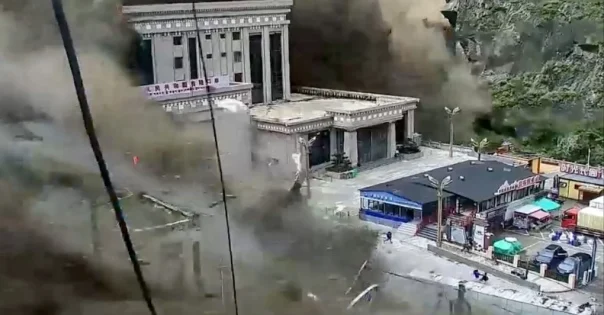
- Mobilizing Economic Diplomacy: Facing tightening fiscal constraints and declining foreign assistance, economic diplomacy has become an immediate necessity. Rebuilding critical infrastructure following devastating floods in the Bhote Koshi region (Rasuwa)—estimated to cost nearly NPR 700 billion—will require systematic mobilization of external aid and concessional financing.
Ultimately, effective diplomacy relies on tactical skill, timing, and clear signaling. For Prime Minister Balen’s newly recommended envoys, the assignment presents far more of a steep uphill challenge than a mere political opportunity.